Into Dust
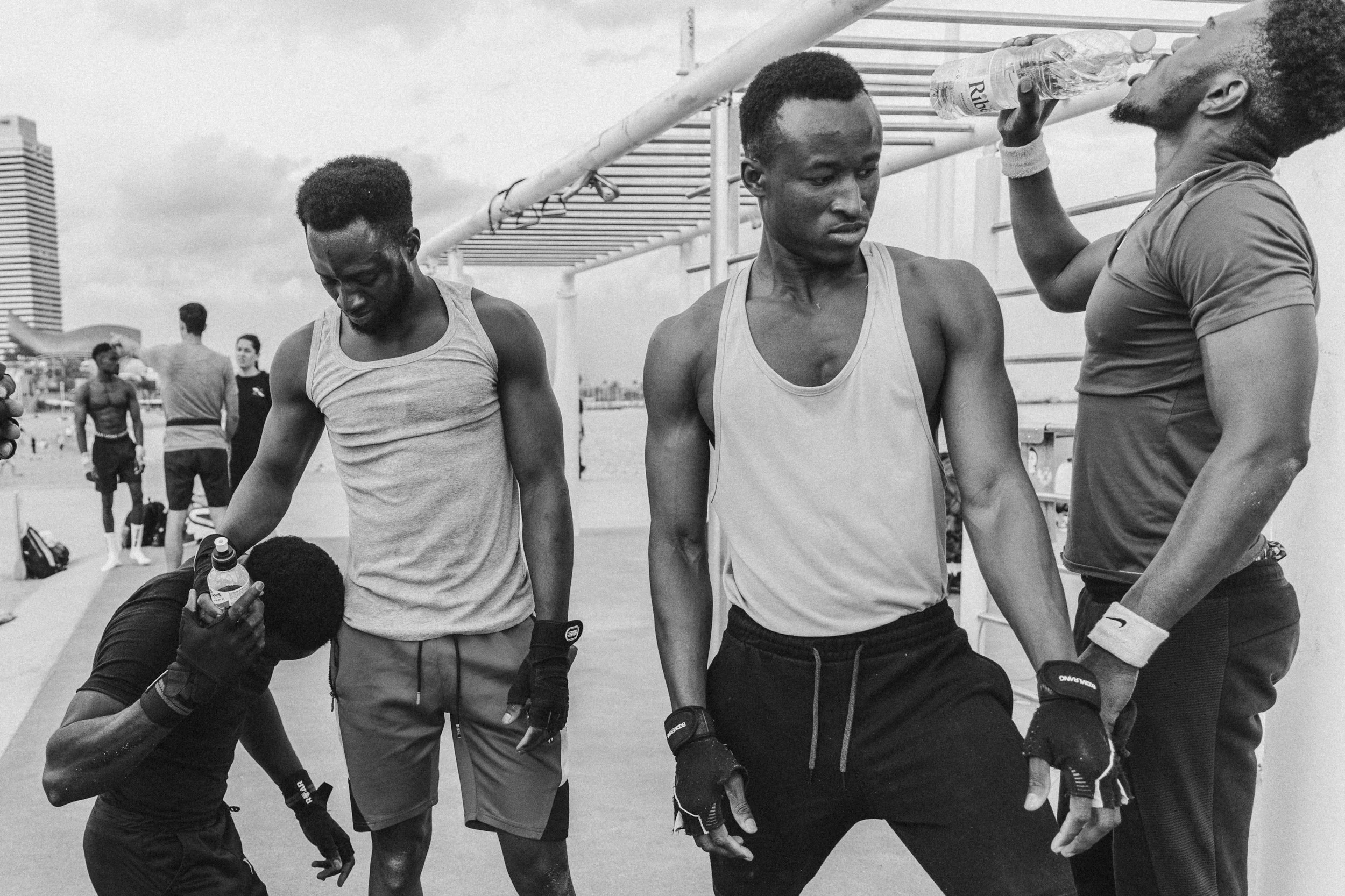
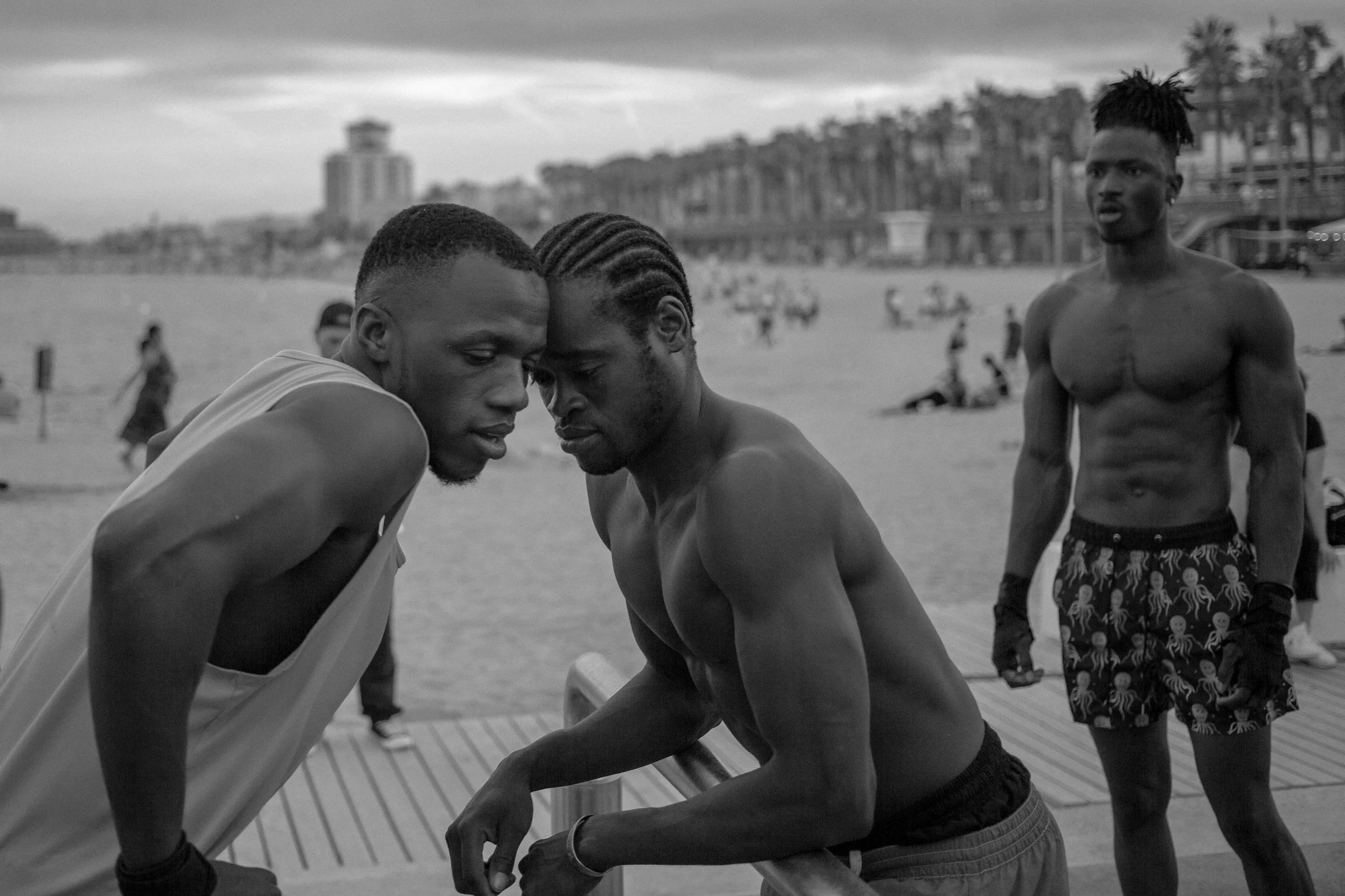
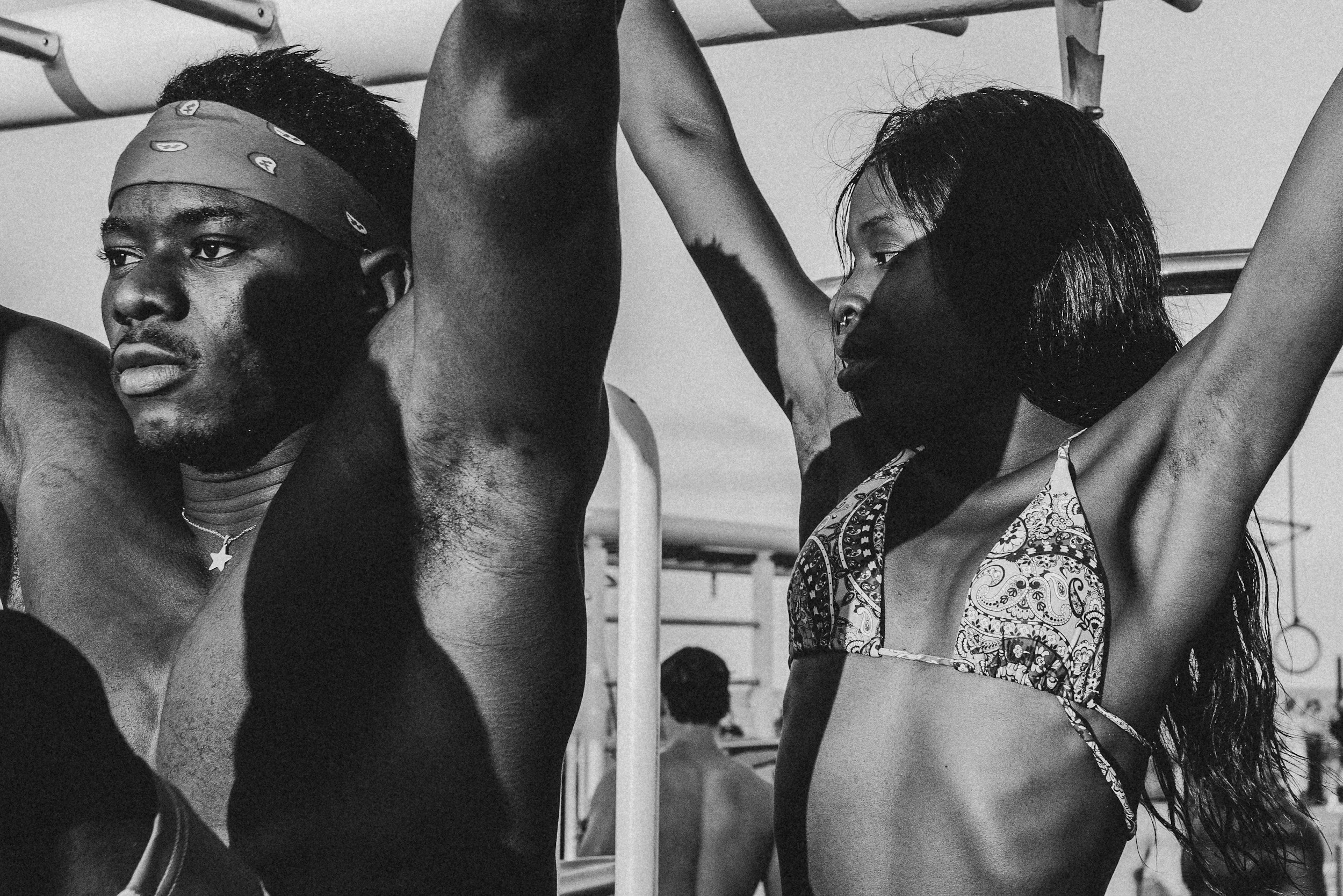
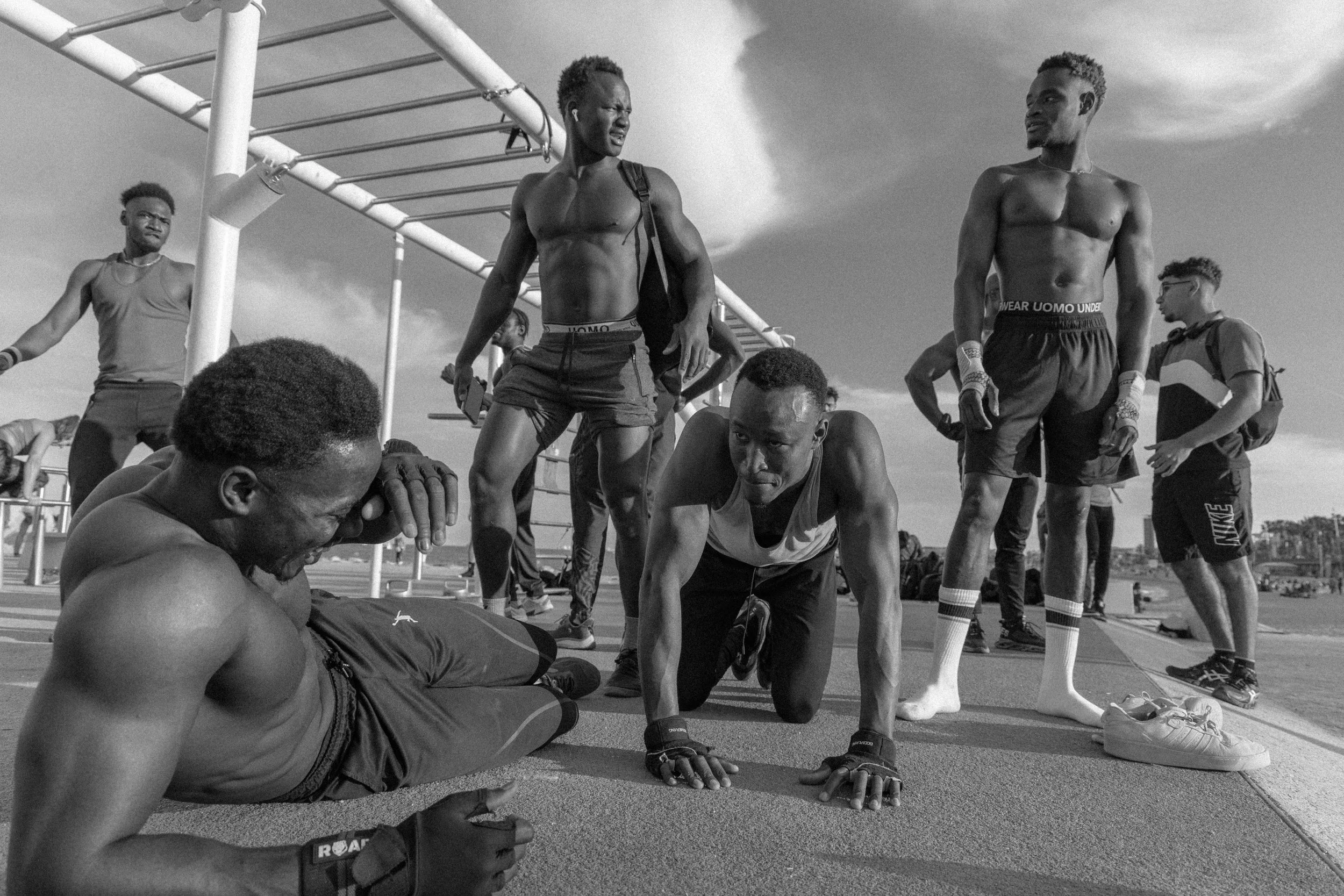
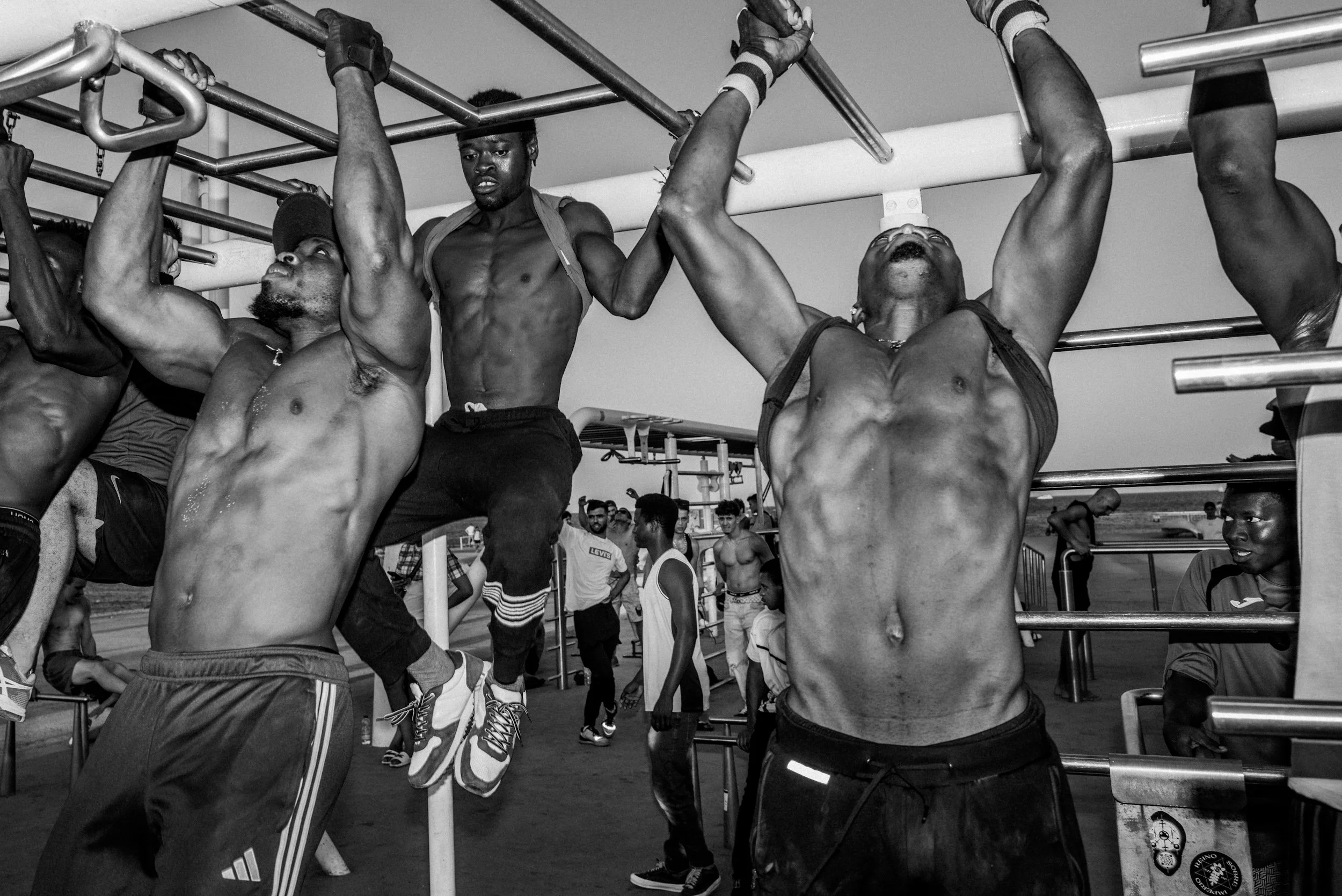
The scirocco wind was blowing out of the Sahara into Barcelona when I first visited the cracked concrete plaza on the beach. The armature of a calisthenics gym sprawled like the skeleton of a whale. A group of muscular men did synchronized pull-ups while dozens of other people took in the sun. Staccato electronic music from Ghana thumped the salt air. I asked to take a few photos and was welcomed.
I came back every Saturday for more than a year.
The men I photographed had come mostly from West Africa, alone. They had crossed war zones, the blistering desert, and the unpredictable churn of the sea to get here. Mamadou, who made it from Mali four years earlier, told me that migrants see two options for how their trip might end. With luck they arrive. Or they end up dead. Suerte o muerte.
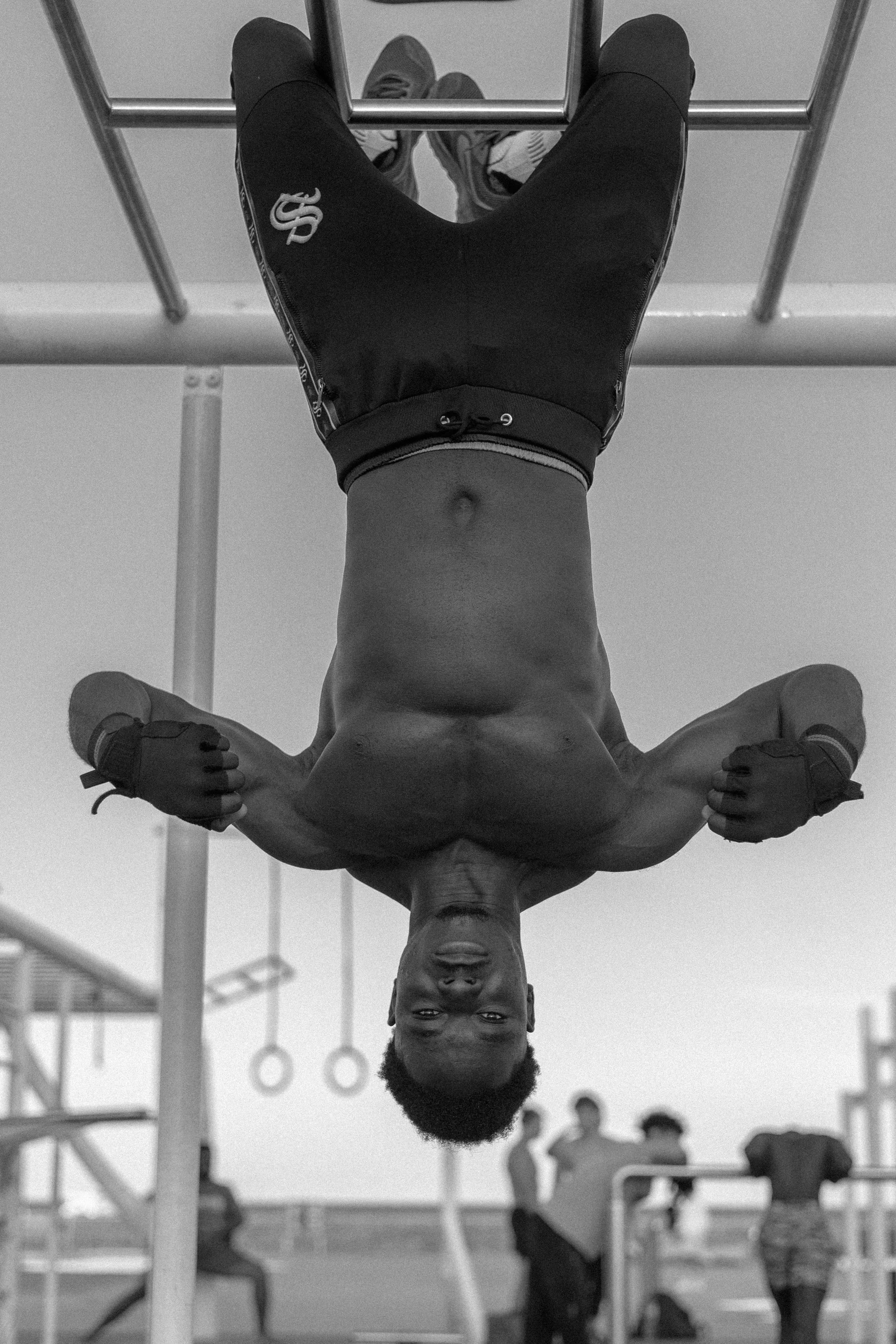
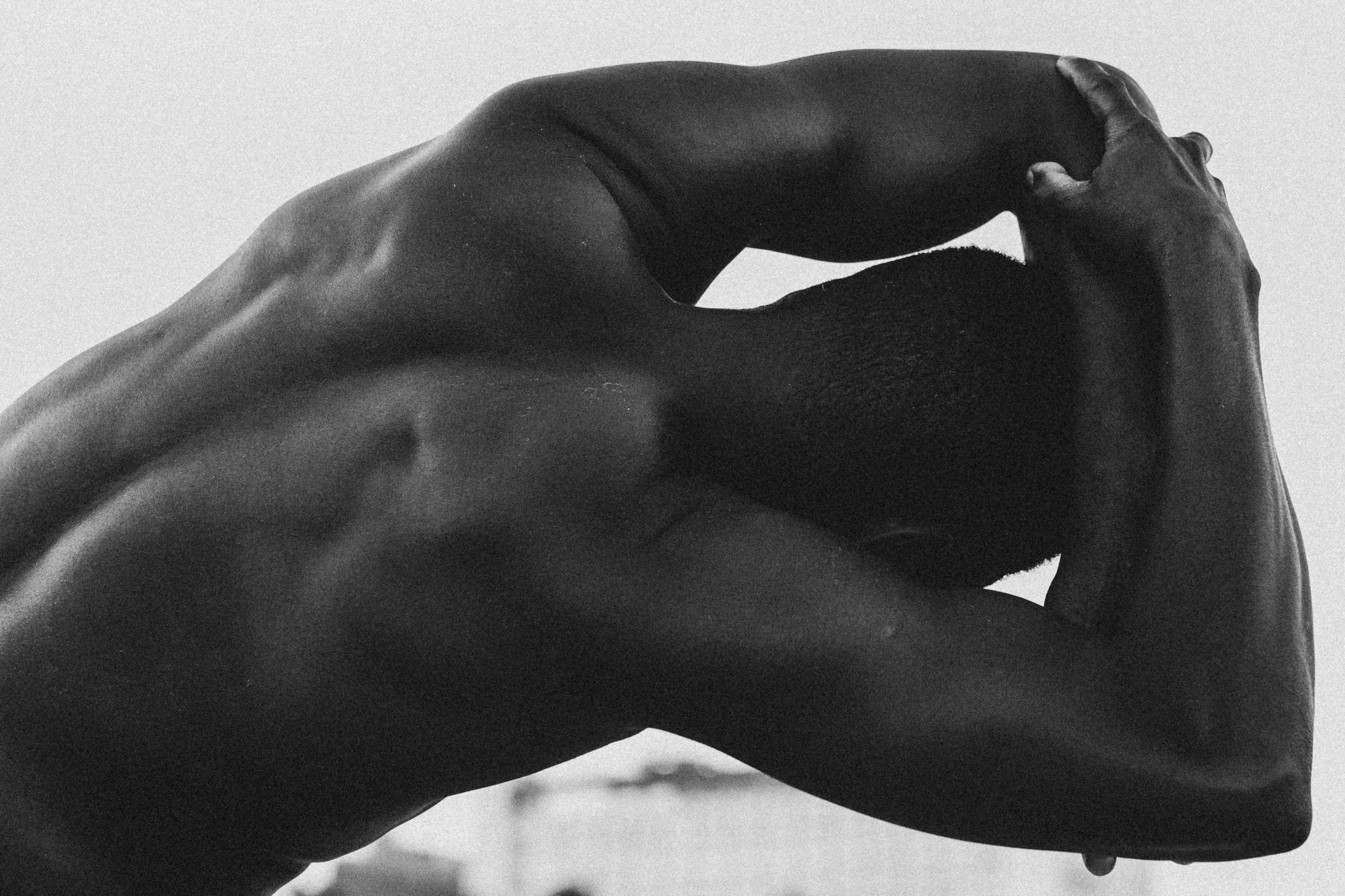
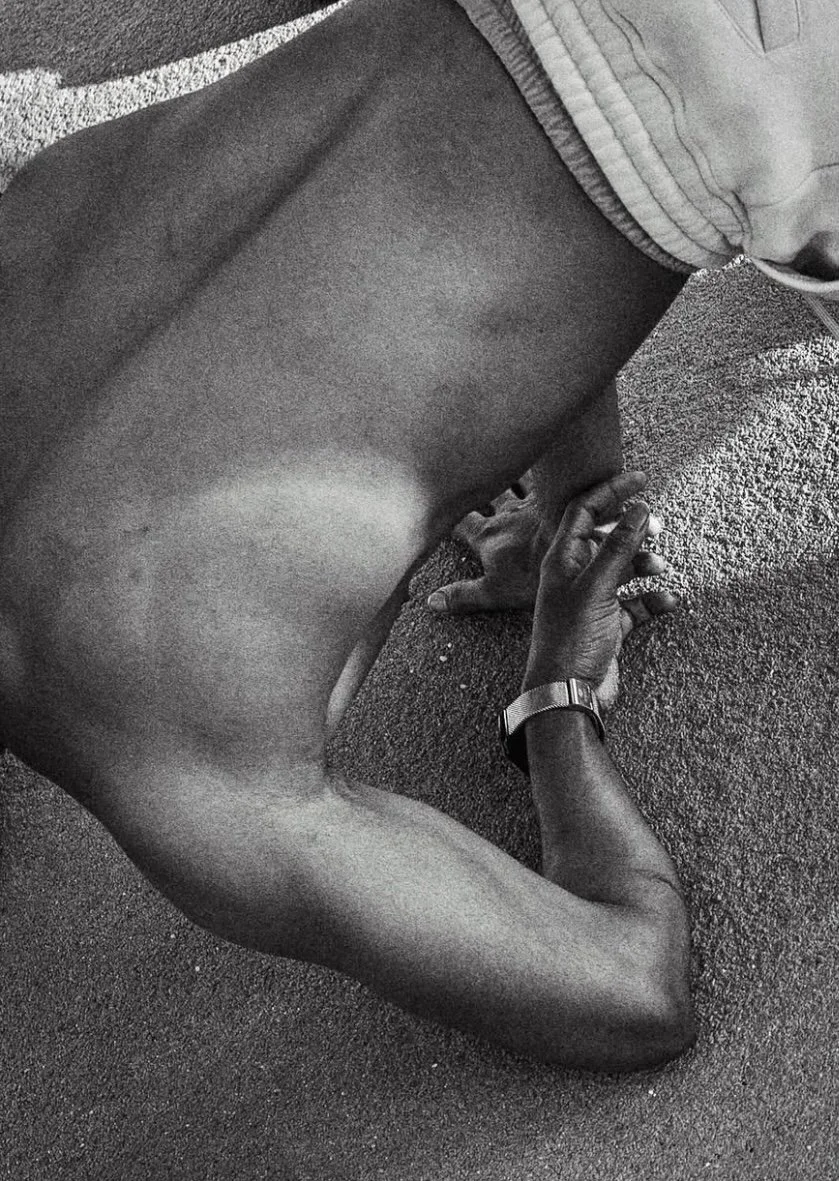
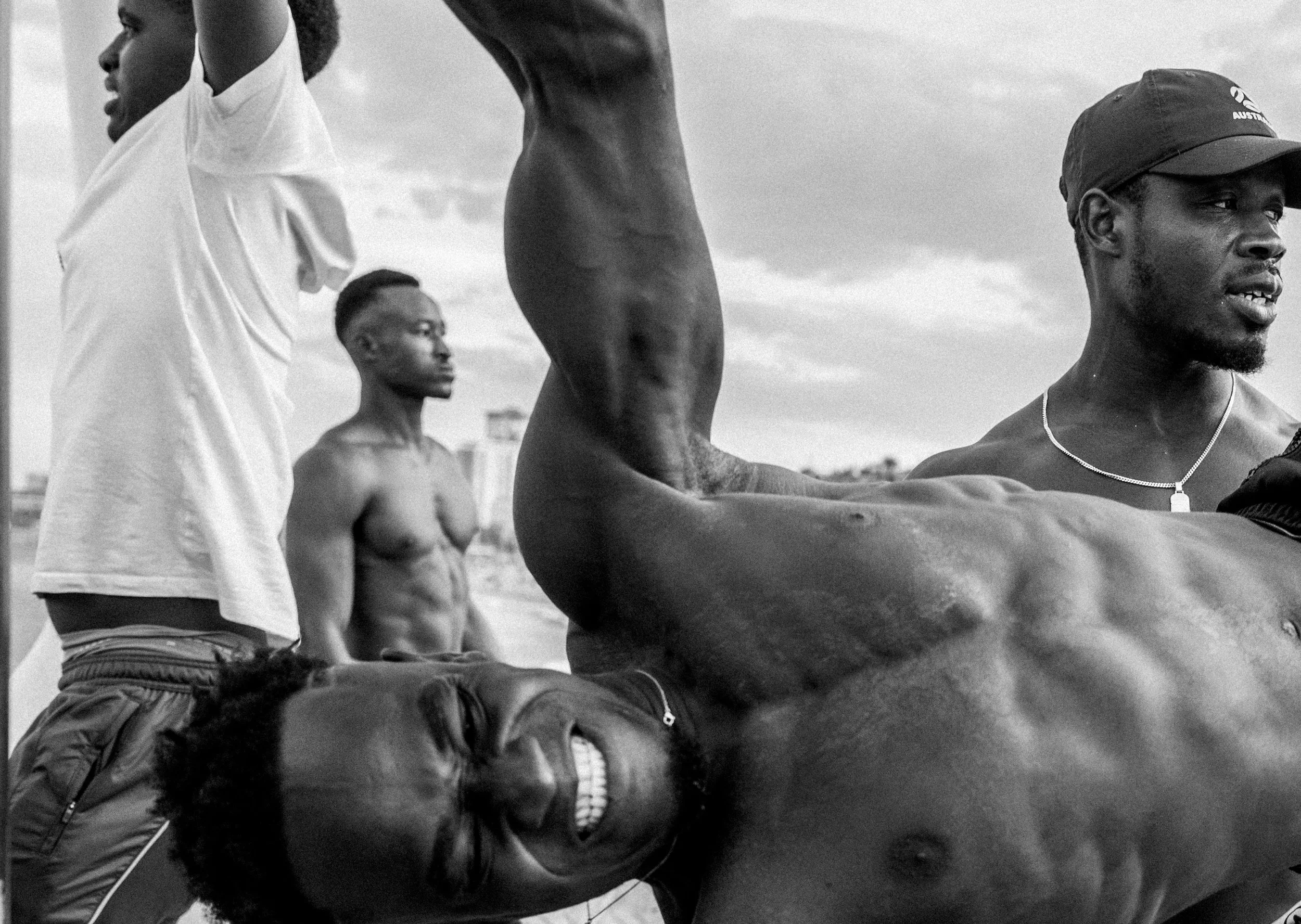
These men had been more than lucky. They had something extra. Not just strength. Something that extreme hardship strips everything else away to reveal. You see it in the discipline, the grit, the friendship, the joy. A man inverted on a pull-up bar, suspended between earth and sky, holding himself above the void through pure will. That is what the photographs are of. Not athletes. Men who refused to be defined by what could have killed them.
They had crossed war zones, climbed fortified walls with hooks made from scrap metal, walked for days through the desert on five litres of water. And then, on a cracked concrete plaza on a Barcelona beach, they chose to be tested again, together, with more laughter than you'd think possible from men who had seen what they had seen.
At the end of one Saturday evening, Mamadou said: "Estoy hecho polvo."
I turned myself into dust.
Into Dust, printed by Grafiche Antiga, 2025.